


FOR IMMEDIATE RELEASE
Contact:
Bora "Max" Koknar
[email protected]
Website: aboutlastnightgame.com
Who Gets to Decide What Happened?
A Fremont thriller where your memories have been stolen, turned into currency — and every choice about what to do with someone's most private data is yours to make
Silicon Valley is at an inflection point
FREMONT, CA (April 2026) — Artificial Intelligence has grown leaps and bounds in the past three years. The commodification of personal data and your memories is no longer theoretical. Tech startups are probing fearlessly into every aspect of being human with the question of "could we do it?" leading their inquiries rather than the more important "should we be doing this?"
A game. A commentary on the Silicon Valley Dystopia.
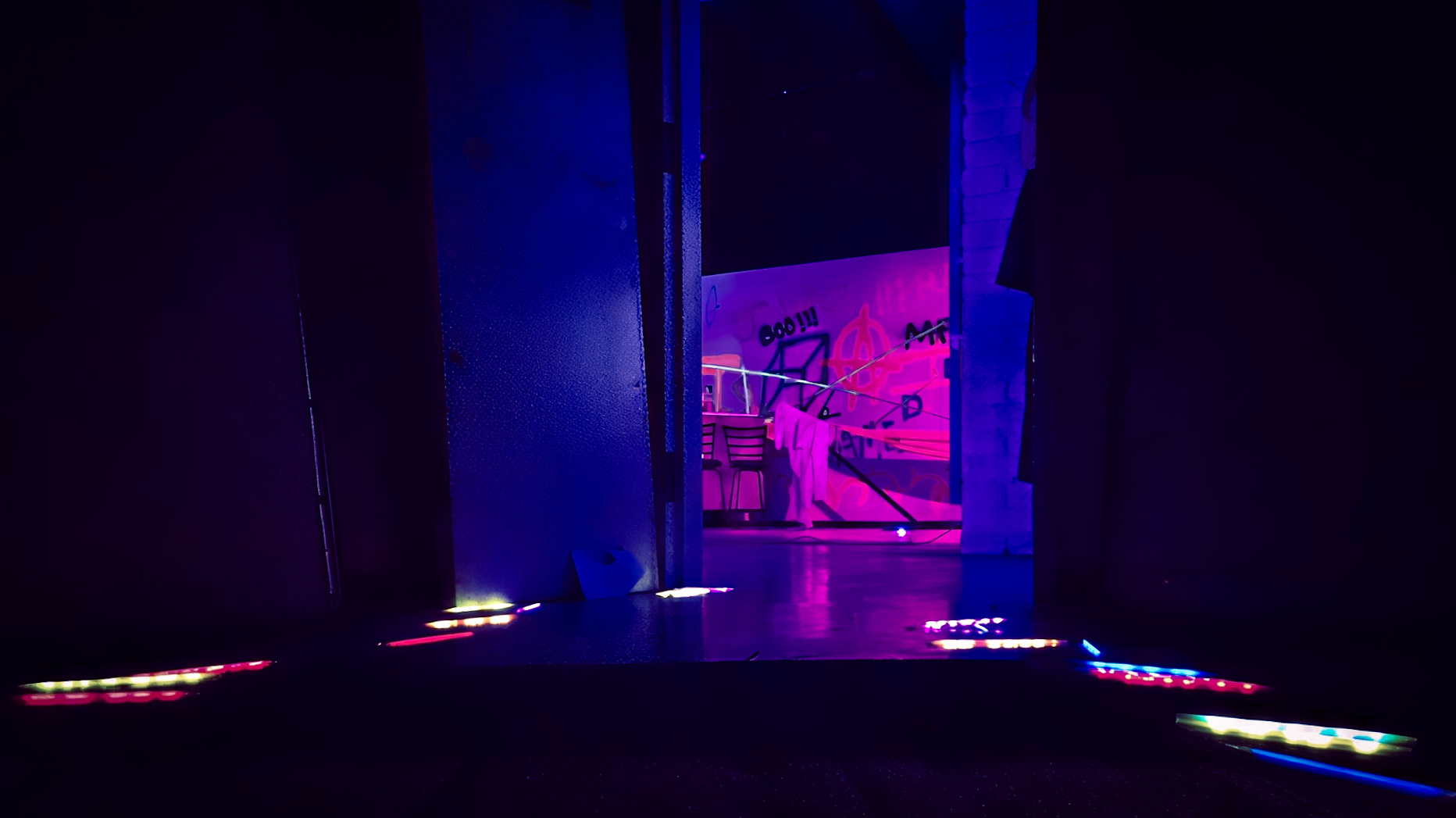
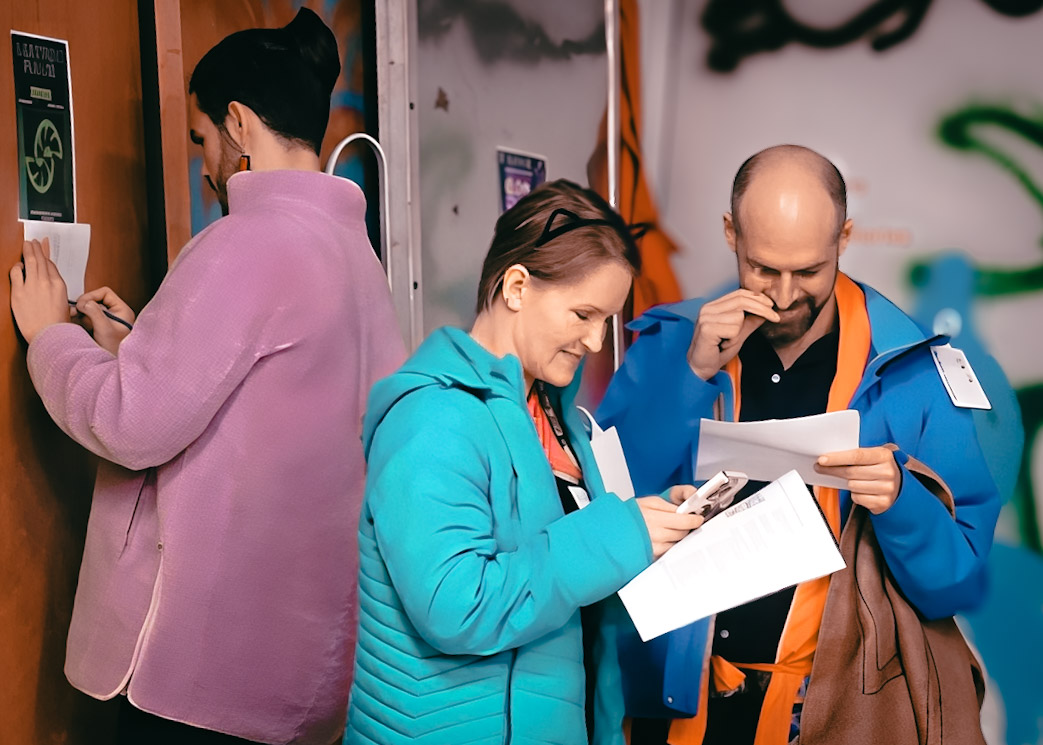
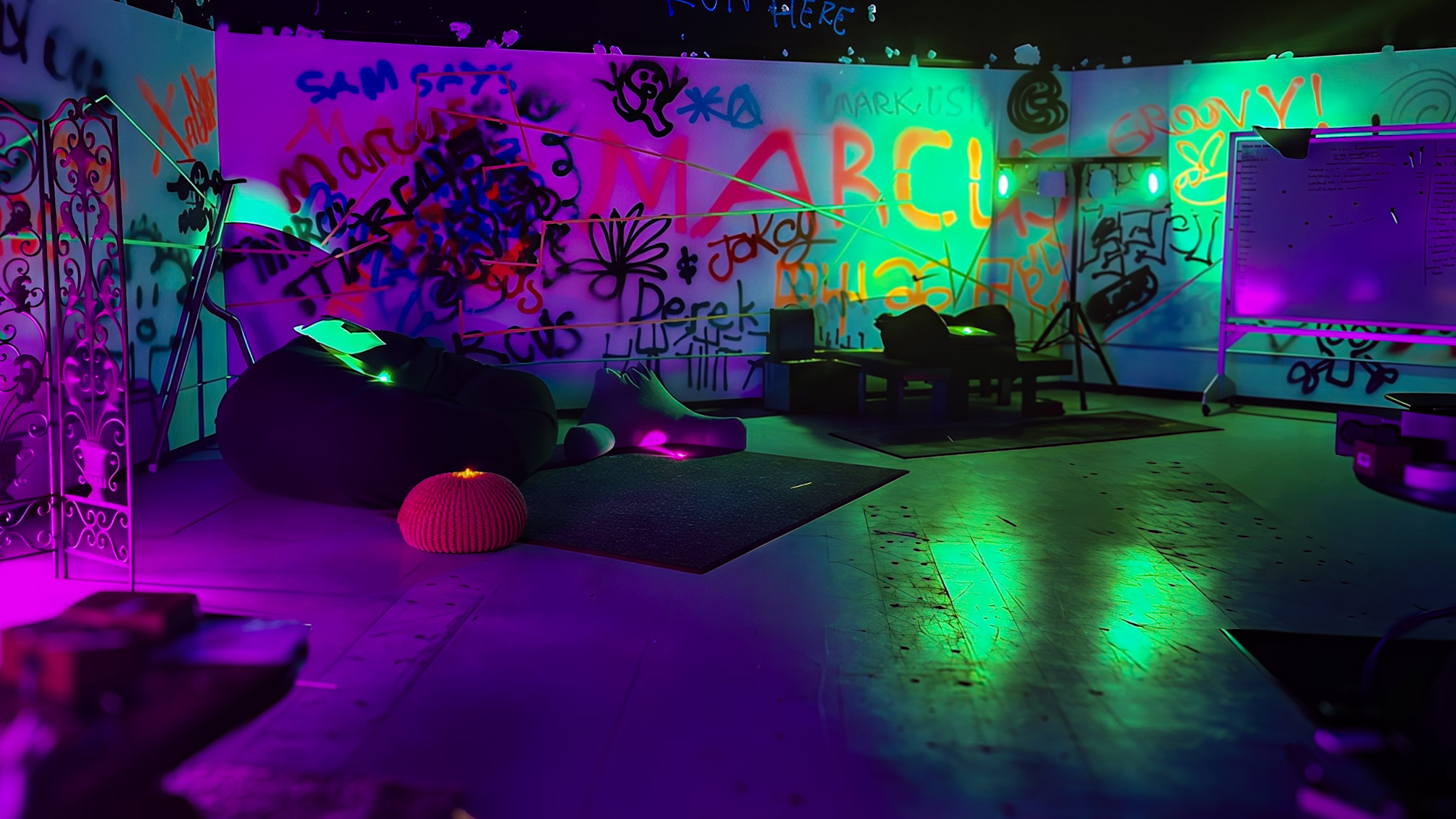
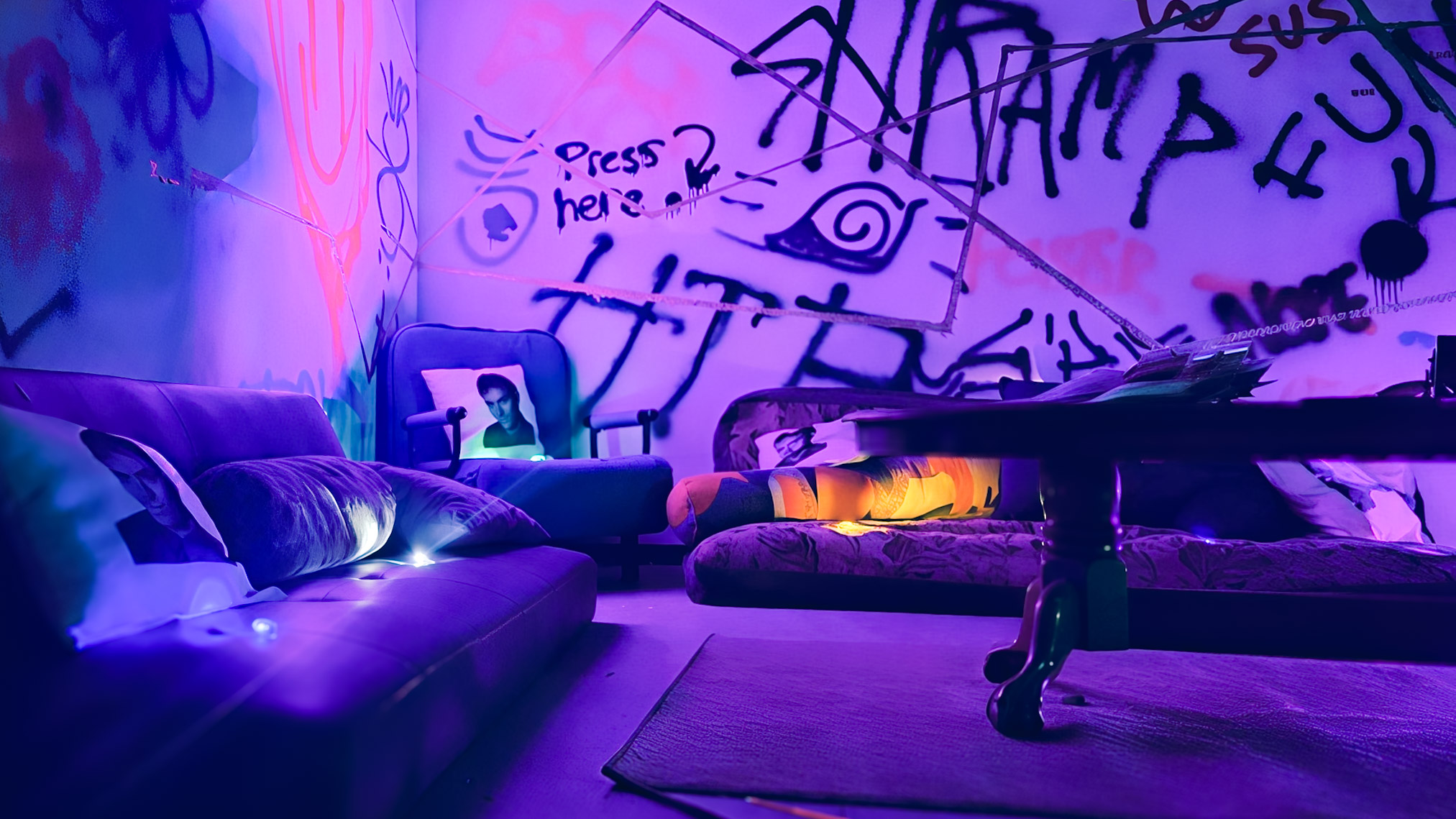
About Last Night... is a two-hour immersive game for 5-20 players. You're a Silicon Valley insider — someone who has built, funded, or profited from a tech CEO's data empire. He's dead. Your memories of the previous night have been extracted and turned into commodities. Turns out that Marcus and his startup have been asking questions and testing things that are...unethical. Every memory you recover belongs to someone — it's their private truth, their secret, their vulnerability. And what you choose to do with it is between you and whatever version of yourself shows up in that room. The group needs to construct an official story. But in a room where everyone has something to hide, the truth is whatever survives the negotiation. Created by IMMY and Golden Lock Award winner Shuai Chen (Patchwork Adventures), Bora "Max" Koknar (StoryPunk), and Casey Selden, the production extends at Off the Couch Games in Fremont through May after earning an SF Chronicle Datebook Pick.
What Happens When You Let People Decide
The game has no fixed ending. What it has is a system: recovered memories that can be exposed to the group, buried through a black market broker for personal gain, or returned to the person they belong to. Puzzles gate what evidence surfaces at all. Different players crack different locks, follow different threads, and some crucial truths may never emerge because no one solved the puzzle protecting them. Time runs out. The group has to agree on an official story built from whatever evidence survived a two-hour collision of individual choices, competing agendas, and the fundamental problem of trust in a room full of people who know things they can't prove.
Players have to choose between preserving someone's privacy and bolstering their own knowledge, power, and finances. The moral questions aren't abstract. They're tactile, social, and visible to everyone in the room. Players physically carry each memory token to the black market broker, to the investigative reporter, or back to its owner.
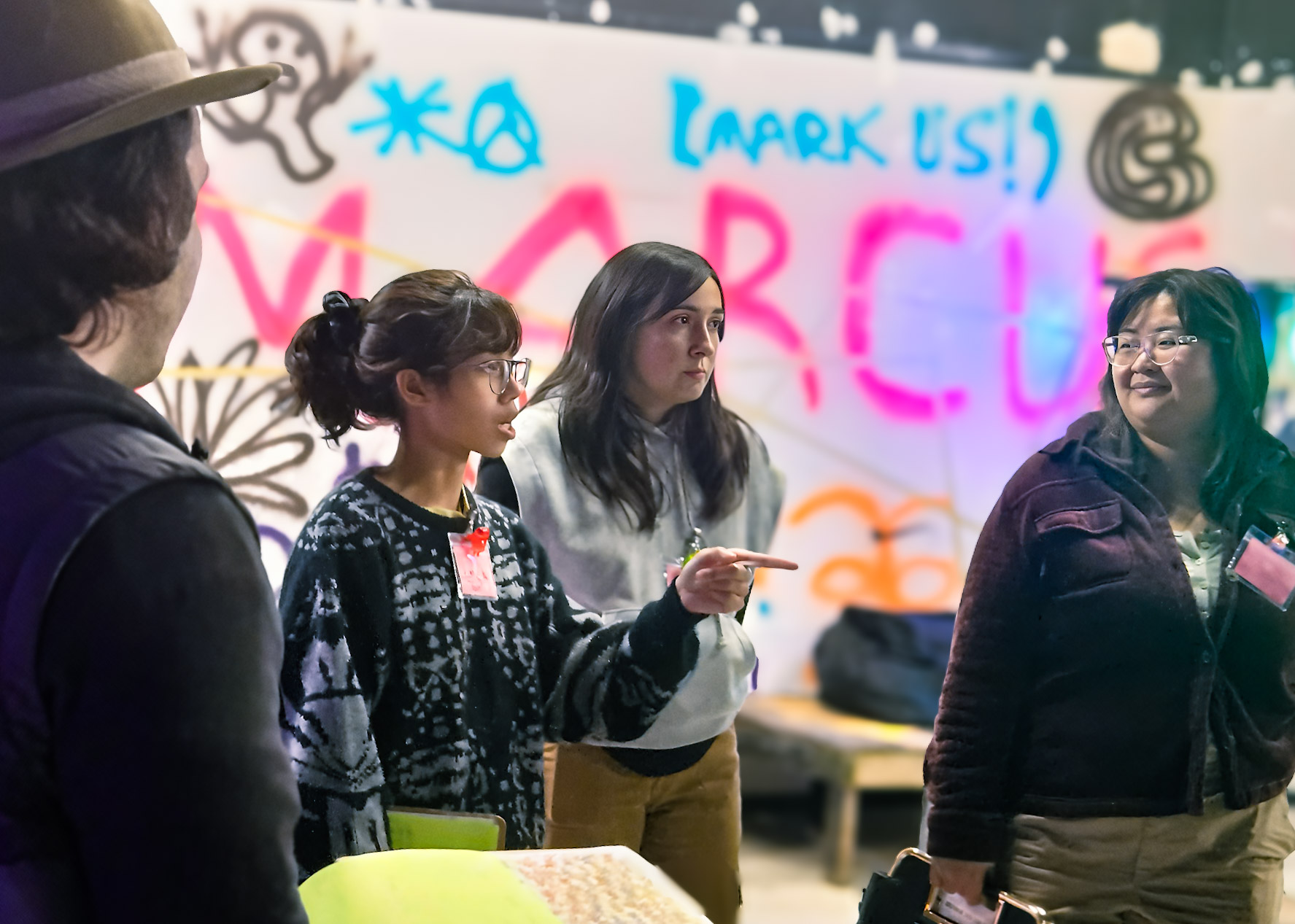
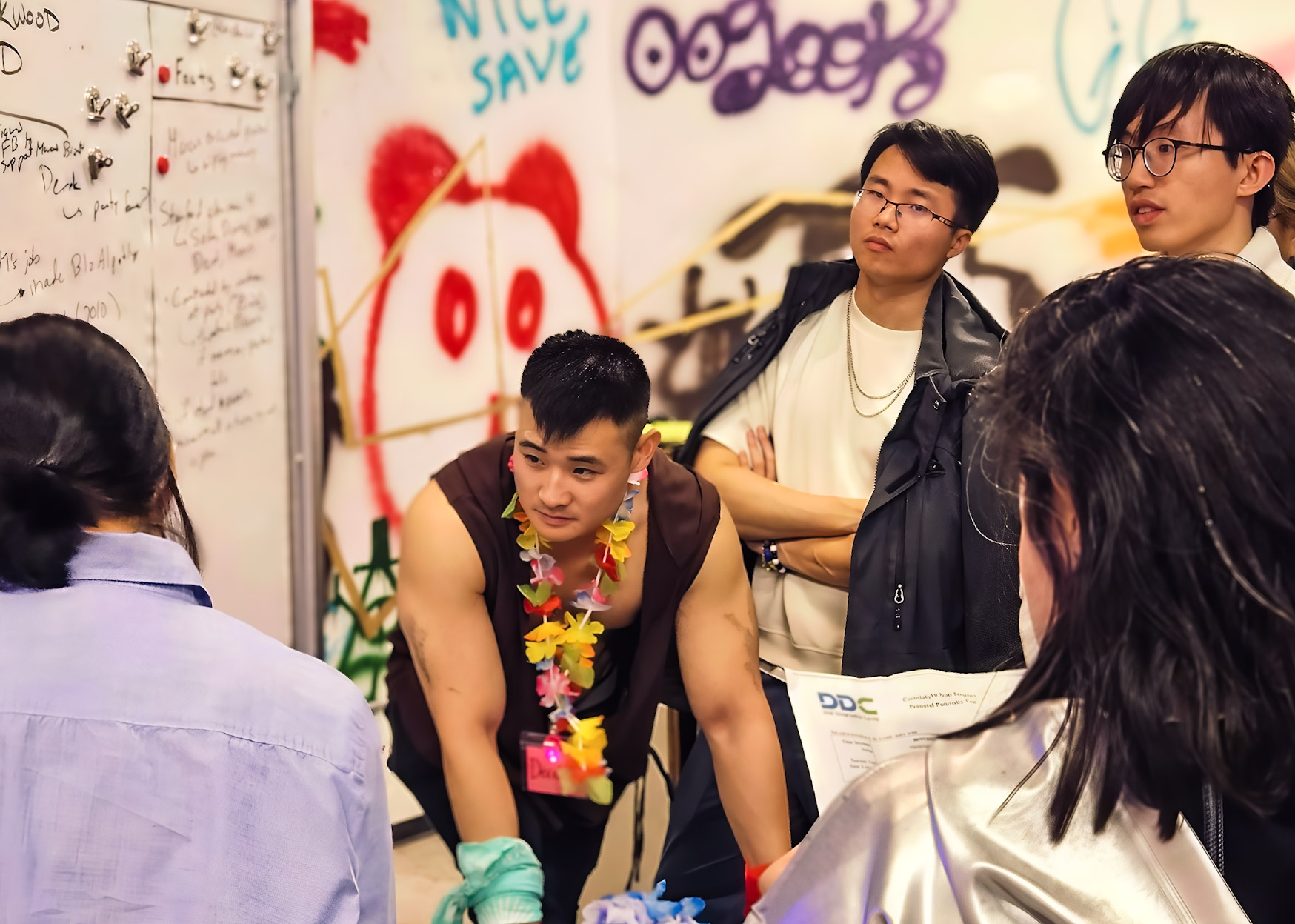
What emerges from this system has been different every time. Some groups self-organize into coordinated investigations, pooling evidence and building a shared narrative. Others fragment into competing agendas until the room has to pull together something everyone can live with despite their different agendas. In one session, two camps formed and genuinely debated — one pushing for the obvious suspect, the other insisting on the people with the most institutional power to suppress the truth. The room fought. Power lost. In another, the group presented a united front while individuals quietly cut deals with the black market broker. Ten people said they were working together. The equivalent of $1.71 million in evidence was suppressed to make sure the most comfortable story was the only one left to tell.
Same evidence. Same choices available. One room fought for accountability. Another purchased consensus.
"We're not here to answer these questions for anyone. We don't know the answers. But we're making work in Silicon Valley, and we can see the window closing. If people don't engage with these questions now, the decisions get made by the people with the most money and the most to gain. That's the urgency." says Koknar, the narrative designer of the piece.
The Design and the Contradiction
And here's the wrinkle. Building the systems behind this: the scanners, the room automation, the game server, would have been out of reach for a three-person indie team a few years ago. What changed is the same thing the game is questioning. Generative AI coding tools enable the team to design and build bespoke hardware and software that would have otherwise required a significantly larger team and budget. The tools the game critiques are the tools that made the game possible.
That tension reaches its sharpest expression in the post-game report. After every session, a unique article is generated in the voice of the investigative reporter players interacted with throughout their session — assembled from the specific evidence each group exposed and buried, the alliances they formed, the story they constructed. Every piece of source material the system draws from was written by people: the memory tokens, the evidence documents, the scripts that define the NPC characters' voices. A human game master writes up a report after each session with observations about player behavior and choices throughout the game session. Then, the system built from deterministic code and generative AI assembles those human-authored elements into a coherent narrative. Without this system, each report would take a day or more of writing — not feasible for a small team running multiple sessions a week. And the report is where the game's larger questions connect to each group's specific choices. It's the final act — the moment where the fiction reflects back what the room actually did.
The creators are open about the contradiction. They're using tools built on the extractive logic the game critiques to realize an artistic vision that couldn't exist without those very tools. They aren't offering a resolution. They're working inside the tension, deliberately, as artists exercising agency over the technology that is being monetized with a mandate to make artists unnecessary.
"The binary, embrace everything or reject everything, is a trap," says Koknar. "The game asks players to make choices with no clean answers. We're making the same kind of choices every day building it."
Every session ends the same way. The group constructs their official story. The room clears. And then the report arrives, a complete, coherent, 'authoritative' account of what happened, curated and assembled from fragments no single player experienced in full. You read it and you recognize the broad strokes. But you also know what it missed. You know what you buried. You know the private truth you returned to someone without reading. You see the gaps where you know someone else buried a truth you were chasing. The distance between what you lived and what the story says is the distance most people can't see in their daily lives but feel permeating their entire world. The disconnect between what you know to be true from your own experience and the reality being constructed around you through feeds and algorithms and official accounts by systems most of us never asked for and don't fully understand.
About Last Night... doesn't close that gap. It tries to make it tangible. For two hours, you're inside the machine — making choices, burying evidence, negotiating truth. Then you read what the machine made from your choices, and that disconnect between what you lived and what got delivered as the accepted truth becomes something you are more easily able to talk about.
Production Details
Title: About Last Night...
Venue: Off the Couch Games, 555 Mowry Ave, Fremont, CA 94536
Dates: February 26 – May 31, 2026
Schedule: Fridays & Saturdays at 8pm, Sundays at 7pm
Duration: 2 hours
Capacity: 5–20 players per performance
Recommended 16+. Accessibility and content information at aboutlastnightgame.com.
Tickets: $75/person (need-based discounts available)
Info: aboutlastnightgame.com
Press Contact: [email protected]
About the Creators
Shuai Chen is founder of Patchwork Adventures. Her Order of the Golden Scribe: Initiation Tea won the 2023 Golden Lock Award, No Proscenium's Best Immersive Experience Award, and the 2024 IMMY Award for Outstanding Immersive Work. She represented Team USA at the Escape Room World Championships. Her background in neurobiology (MIT, Stanford) informs experiences where memory, perception, and reality blur.
Bora "Max" Koknar is founder of StoryPunk, a creative studio specializing in immersive storytelling. He received the 2022 CALI Catalyst Award for equity-centered practice. His work includes The Super Secret Society: A Playable Play (featured by SF Chronicle) and Shoggoths on the Veldt ("Whatever it is, 'Shoggoths' is must-see theater" — Mercury News). During the pandemic, he produced over 450 digital events employing 200+ artists. He previously served as Co-Artistic Director at Dragon Productions Theatre Company (2019-2021) and Associate Artistic Director at Epic Immersive (2015-2019).
Casey Selden has guided 10,000+ guests through immersive experiences in the Bay Area, from renegade museum tours to a film noir team-building game built on black market deals and murder. One of Odd Salon's most frequent speakers, she has researched and performed 20+ original lectures on history and science.
Off the Couch Games is Fremont's premier escape room venue, partnering to host this fusion of escape room mechanics and immersive theater.
Press Resources
High-resolution photos available at: aboutlastnightgame.com/press
Press tickets available upon request
Interviews available with all three creators
###